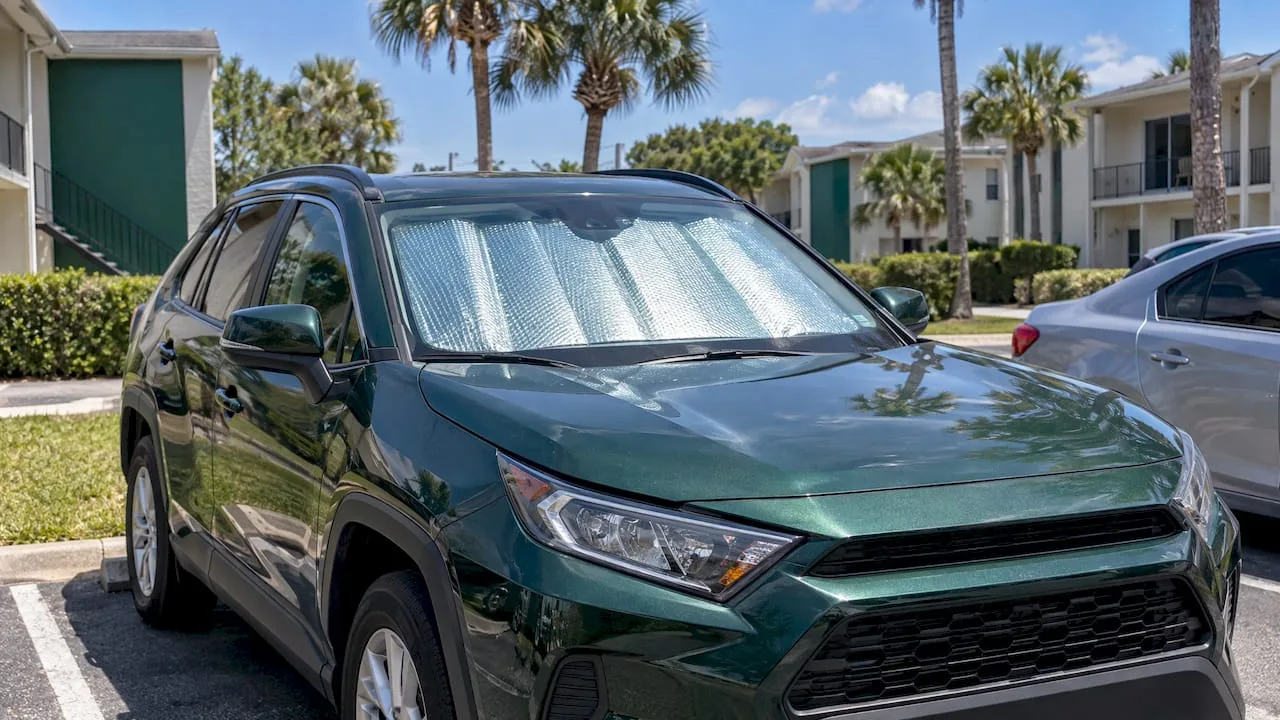
Heat wears out the same few parts on every car: the battery, the tires, the cooling system, the rubber and the A/C. In Clearwater those parts work hard for most of the year, so the best hot weather car care is a short, regular routine: check them, shade the car, and wash it the right way. This guide gives you that routine in order, with the reasons behind each step. It also shows how to read a used car for heat wear before you buy one, because a car that has lived through Florida summers tells you about it if you know where to look.
TL;DR
- Heat is hardest on the battery, tires, coolant, belts, hoses and A/C. Check those first.
- Check tire pressure monthly, when the tires are cold, using the number on the driver's door label.
- Shade, a windshield sun protector and cracked windows keep the cabin cooler and protect the dashboard.
- Wash in the early morning or evening and dry the car by hand so minerals do not etch the paint.
- Never leave a child or pet in a parked car, however you try to cool it.
Table of Contents
- What heat does to a car
- The hot weather checklist, step by step
- Keeping the cabin cool
- Protecting paint and interior from the sun
- Washing a car in the heat without spots
- Hot weather and a used car: what to look for
- Find a car that is ready for Florida summers
- FAQ
- Sources
What heat does to a car
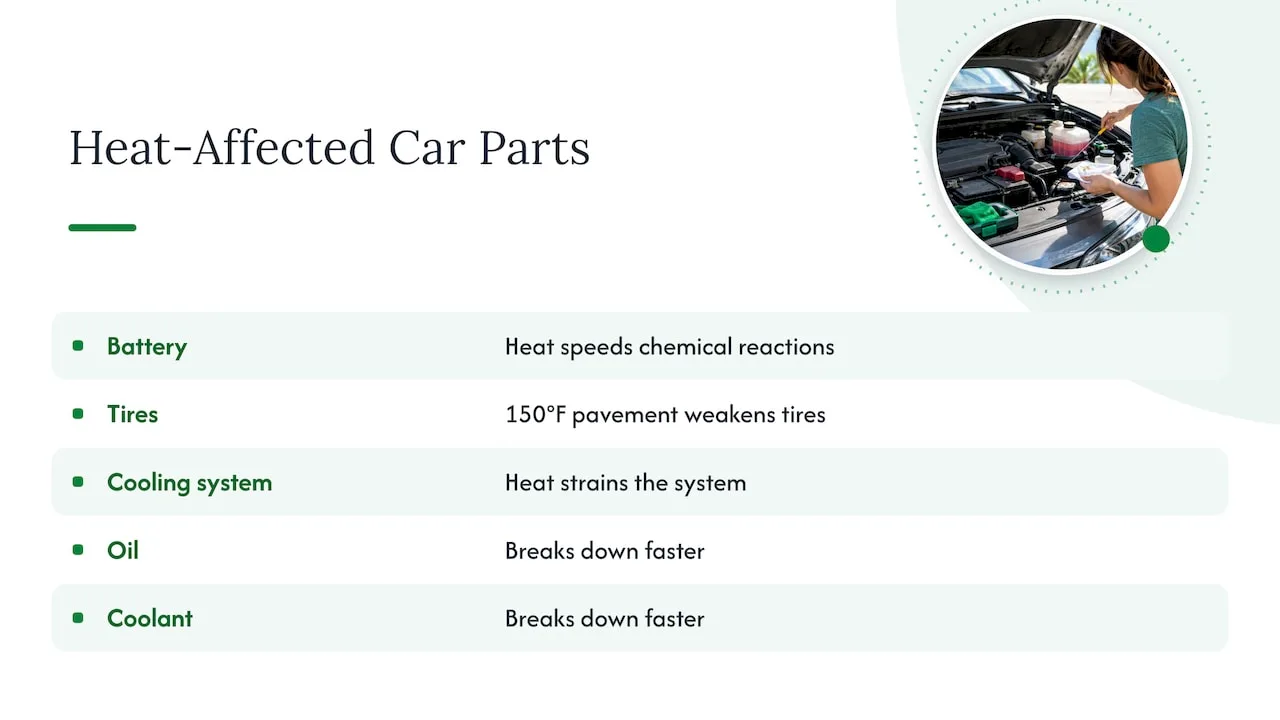
A hot day does not break a healthy car all at once. It speeds up wear. AAA says high temperatures can shorten battery life by speeding up its chemical reactions, weaken tires on pavement that can reach 150°F, strain the cooling system and break down oil and coolant faster.
The sun adds its own damage. According to AAA's guide to protecting your car from the summer sun, sun and heat can fade, split or crack dashboards and steering wheels, crack leather seats and fade paint, with darker colors showing it most. The same guide lists belts and hoses among the parts that can fail, and it warns that tire pressure shifts with temperature, which wears tires unevenly.
So the job is simple to state. Keep the parts that heat attacks in good shape, and keep the sun off the parts it fades.
The hot weather checklist, step by step
The California Bureau of Automotive Repair publishes an 11-item summer checklist that covers the A/C, belts and hoses, battery, brakes, fluids, wipers, tires, lights, air filters and cooling system. Here are the items that matter most in Florida, in the order we would do them.
Test the battery. Heat does more damage to a battery than cold does, and a weak one usually fails on the hottest afternoon. AAA recommends a battery test twice a year. A fully charged car battery should read 12.6 volts or higher. While you are under the hood, make sure the battery is mounted firmly, since vibration hurts it, and clean any corrosion off the terminals. Slow starts and dimming lights are your early warning. Where it goes wrong: people wait for the car to click and not start. Test it before that happens.
Check tire pressure monthly. Under-inflation is the leading cause of tire failure, and NHTSA's summer safety advisory says to check with a gauge once a month, including the spare. Check when the tires are cold, meaning the car has not been driven for at least three hours. Use the pressure printed on the label inside the driver's door or in the owner's manual, not the maximum number molded into the tire. Where it goes wrong: checking right after a drive, when the readings run high, and then letting air out.
Check tread depth. AAA's summer checklist describes the quarter test. Put a quarter upside down into the tread groove. If you can see the top of George Washington's head, the tread is worn and the tires need replacing. Worn tires on hot pavement are a poor combination, and Florida summer downpours make it worse.
Look at the coolant. NHTSA says to make sure the car has enough coolant that meets the manufacturer's specification, and to have the system checked for leaks and old coolant replaced as needed. The owner's manual tells you which type your car takes. Never open the radiator or coolant cap on a hot engine, because pressurized coolant can spray. Wait until it cools. Per Kelley Blue Book's summary of NHTSA's checklist, rusty or gritty coolant means the system needs flushing and refilling, and oil or sludge in the coolant is a sign of serious engine trouble that needs a mechanic right away.
Inspect belts and hoses. Heat speeds up the aging of rubber. NHTSA advises looking over every belt and hose for bulges, blisters, cracks or cuts, replacing any that show obvious wear, and making sure the hose connections are tight. A squeeze test works well on a cold engine: a good hose is firm, and a bad one feels mushy or crunchy.
Run the A/C before you need it. Turn it on high on a warm day and see how quickly the air turns cold. A weak system needs attention, and NHTSA points out that a car without working A/C on a hot day is more than a comfort issue, especially for children and older adults. Replace the cabin air filter on schedule, since a clogged one cuts airflow.
Watch the engine temperature gauge. If it climbs past normal, turn off the A/C, turn on the heater to pull heat away from the engine, and pull over somewhere safe. A car that keeps running while overheating can end up with a blown head gasket or worse, so do not push on to the next exit.
Top off fluids and check the oil. Follow the oil change schedule in the owner's manual, and check brake, transmission, wiper and steering fluids when you check the oil, as the California checklist suggests.
Never ignore the check engine light. The same checklist says not to drive with it on. In heat, a small problem becomes a roadside one quickly.
If your SUV has all-wheel drive, the drivetrain runs hot too. Here is a useful look at why AWD systems overheat, including causes and fixes for that system.
Keeping the cabin cool
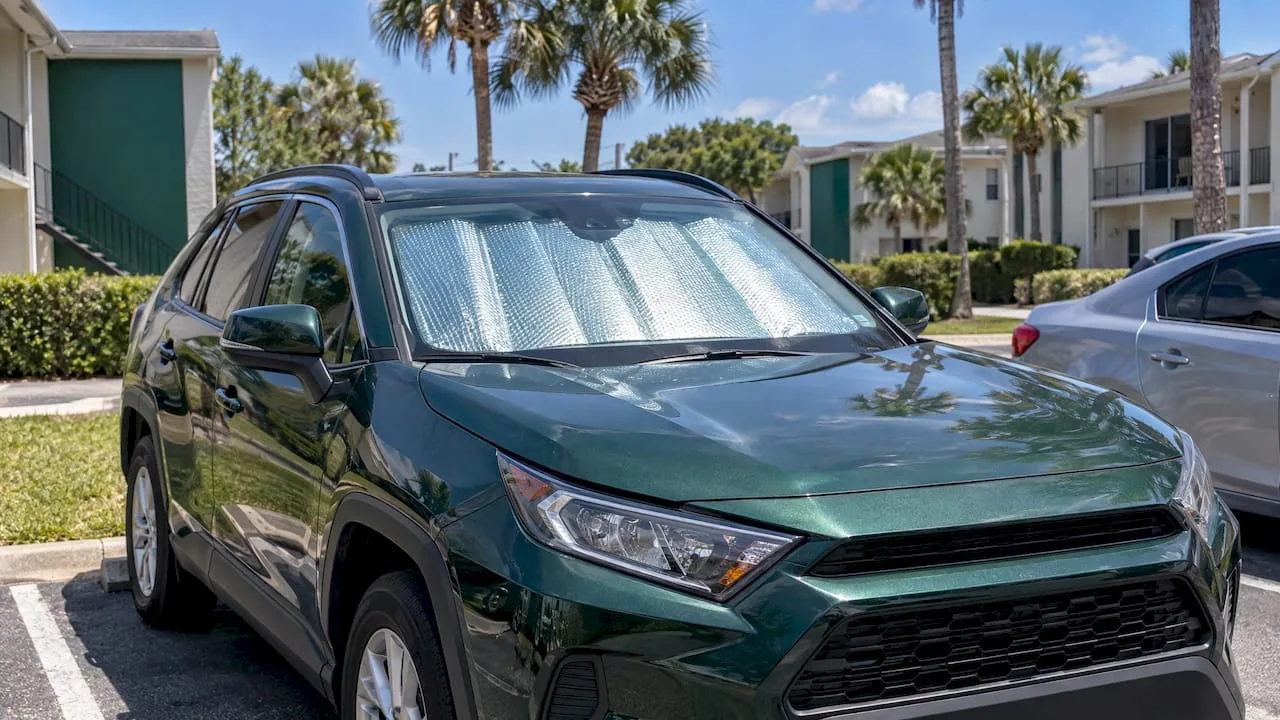
A parked car in Florida sun turns into an oven fast, and a few cheap habits make a real difference. CBS Austin reported a study in which lowering every window two inches brought a car's interior down from 150°F to 128°F. The Florida Solar Energy Center found that a conventional windshield shade cut interior temperature by an average of 15°F and dashboard temperature by 40°F, and that foil-backed radiant barrier shades dropped it another 3 to 5°F.
Here is a simple order for hot days:
- Park in shade or a garage. This beats every product you can buy.
- Use a windshield sun protector. It also shields the dashboard, which is where cracking starts.
- Crack the windows slightly when parking somewhere safe.
- Vent before you cool. When you get in, open the windows and drive a minute before turning the A/C to max, so it is not fighting trapped hot air.
- Consider window tint. The same CBS report said ceramic tint film can block up to half of the sun's heat and lower interior temperatures by as much as 39°F, at roughly $500 to $600 as of 2019. Florida has its own rules on how dark tint can be, so confirm the legal limits before installing it.
One safety point is not negotiable. The Texas Heatstroke Task Force, cited in that report, says no cooling trick makes a parked car safe for a child or a pet. An interior at 121°F can be as life-threatening as one at 141°F. If you see a child alone in a hot car, call 911.
Protecting paint and interior from the sun
Florida's UV is hard on both the outside and inside of a car. AAA's sun-protection advice is practical:
- Park in shade, a garage or under a cover. A full car cover or window shades work when shade is not available.
- Wash regularly. Bird droppings, bugs and dust can eat into the clear coat when baked on by the sun.
- Wax the exterior. It shields the paint from sun and debris.
- Condition leather and keep the interior clean. Dry leather cracks.
- Add seat covers if the seats take most of the sun.
How often should you wax? According to one detailing guide, wax lasts up to about three months and should be reapplied every two to three months, synthetic sealants last four to six months, and ceramic coatings can last three to five years. Apply any of them in the shade so the product does not dry too fast.
For the inside of the car, we have written a longer piece on sun damage to a car interior and what is worth protecting or repairing.
Washing a car in the heat without spots
The biggest summer washing mistake is letting water dry on the paint. Hard water leaves mineral deposits, and in strong sun they bake in and etch the surface.
- Wash early or late. Pick the morning or evening, or find shade. Ceramic Pro's care guidelines advise against washing in direct sunlight.
- Use mild car shampoo and rinse well. Household dish soap strips wax, so skip it.
- Work in sections. Wash and rinse one panel at a time so soap never dries on the surface.
- Dry by hand with a microfiber towel. The same care guide says to dry the car completely instead of air drying, because tap-water minerals leave deposits.
- Treat spots quickly. The Ceramic Pro guide suggests a 50/50 vinegar and water solution for water spots.
What about hot or cold water? Use cool or lukewarm water. Water temperature matters less than keeping the car out of direct sun and drying it right away.
Hot weather and a used car: what to look for
If you are shopping for a used car in Pinellas County, the car's past summers are part of what you are buying. A few things to look at:
- The battery. Heat shortens battery life, so a battery's age and test results tell you what is coming. Our guide explains what a battery health check should tell you.
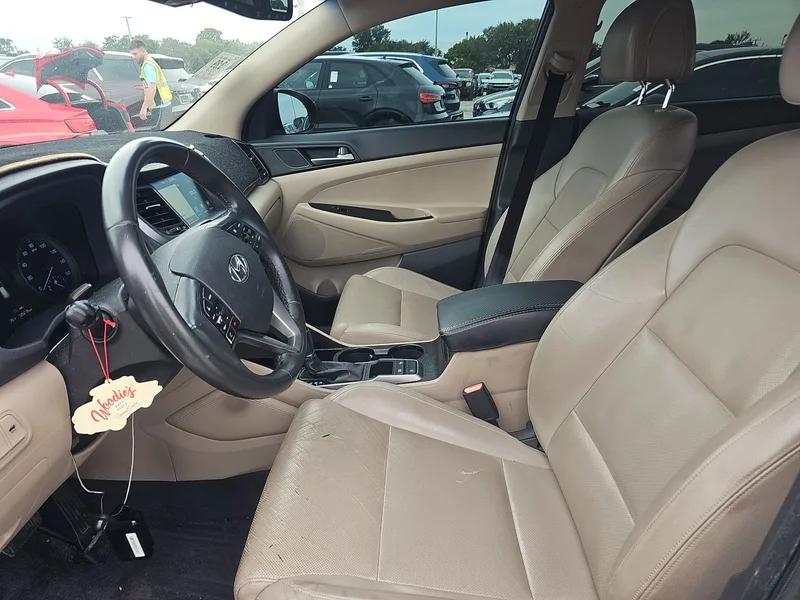
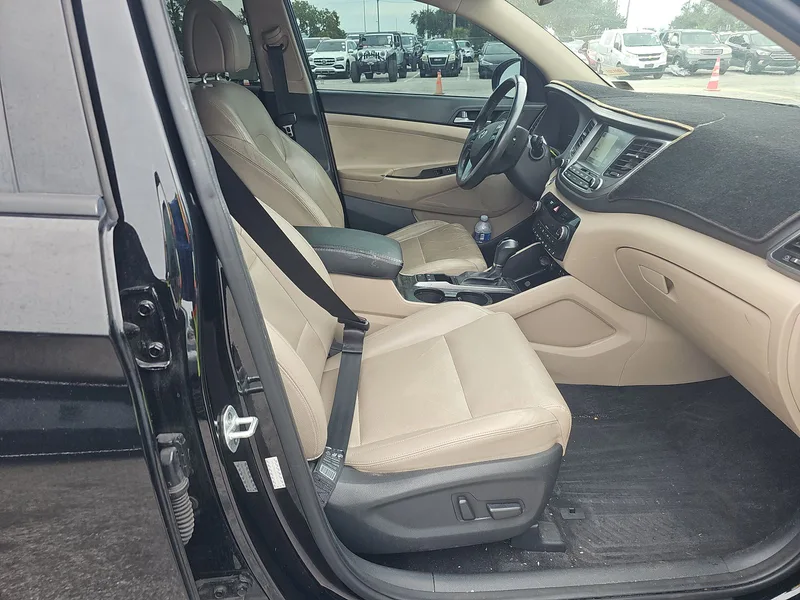
- The dashboard and seats. Cracks, fading or a sticky dash show years parked in the sun.
- The belts and hoses. Ask for service records. For cars with a timing belt, ask for belt receipts.
- The A/C. Run it for the whole test drive and not just the first minute. Our test drive checklist lists what to watch for.
- The coolant and temperature gauge. A gauge that creeps up in traffic is a reason to walk away.
For the full list, see our used car inspection checklist for Florida buyers and our multipoint inspection guide.
Our view: heat is a buying question, not just a maintenance one
We sell used cars in Clearwater, so we see every vehicle through the lens of Florida heat. Care tips help the owner you will be. The more valuable moment comes before that, when you decide which car to buy.
That is why we hand-inspect the cars we sell and run a history report on each one before it is listed. The price is on every listing, with no hidden fees, so you can weigh a car's condition against what you would pay for it.
When you contact us, a real person answers, not a call center. If you want a certain car, say an SUV with a certain trim and low miles, tell us and we will find it, so you only see cars that match what you asked for.
Our advice: ask every seller about the battery, the A/C and the cooling system, and ask to see the paperwork. A dealer who is happy to talk about them is one you can trust.
CL Auto
Find a car that is ready for Florida summers
If you want a used car that has been hand-inspected and listed with its price and history report, start with our used cars in Clearwater, FL. If you do not see the one you want, our vehicle sourcing service searches for the specific car you describe. You can also look at financing with multiple lenders and plan a payment with the car payment calculator.

If you are selling a car that has taken the heat, we also buy cars directly from individuals.
FAQ
What is the most important hot weather car care task?
Test the battery and check tire pressure. Heat shortens battery life and can leave you stranded, while under-inflated tires are the leading cause of tire failure according to NHTSA. Both take only a few minutes and cost little or nothing.
How do I keep my car cool in 100 degree weather?
Park in shade, use a windshield sun protector and crack the windows when it is safe to do so. Tests reported by CBS Austin found that sun shades lowered the dashboard temperature by about 40°F and lowering windows two inches dropped the cabin by 22°F. Never leave a child or pet inside a parked car.
How often should I wax my car in Florida?
Plan on every two to three months for a traditional wax, per one detailing guide, and longer for sealants and ceramic coatings. Wax in the shade, on a clean, dry car, and wash regularly between coats so debris does not damage the clear coat.
Should I wash my car with hot or cold water in summer?
Use cool or lukewarm water, and do it in the early morning, evening or in shade. The key is drying by hand with a microfiber towel right after you rinse, so mineral deposits do not bake into the paint.
How can I tell if a used car has heat damage?
Look for a cracked or faded dashboard, worn belts and hoses, a weak battery and an A/C that struggles on the test drive. Ask for service records and a history report. We do both before a car is listed.
Sources
- AAA: Tips to protect people, pets and vehicles from extreme heat
- AAA: Easy steps to protect your car from the summer sun
- AAA: Can the heat affect your car?
- AAA: Prepare your car for summer travel
- California Bureau of Automotive Repair: Summer car care tips
- NHTSA: Summer driving and road trip tips
- U.S. DOT: NHTSA safety advisory for summer road trips
- Kelley Blue Book: NHTSA's pre-trip checklist
- CBS Austin: How to keep your car from becoming an oven this summer
- Ceramic Pro: After care and warranty
- Mobile Car Wash: Protecting your car's paint after a detail
- Why a Haldex overheats