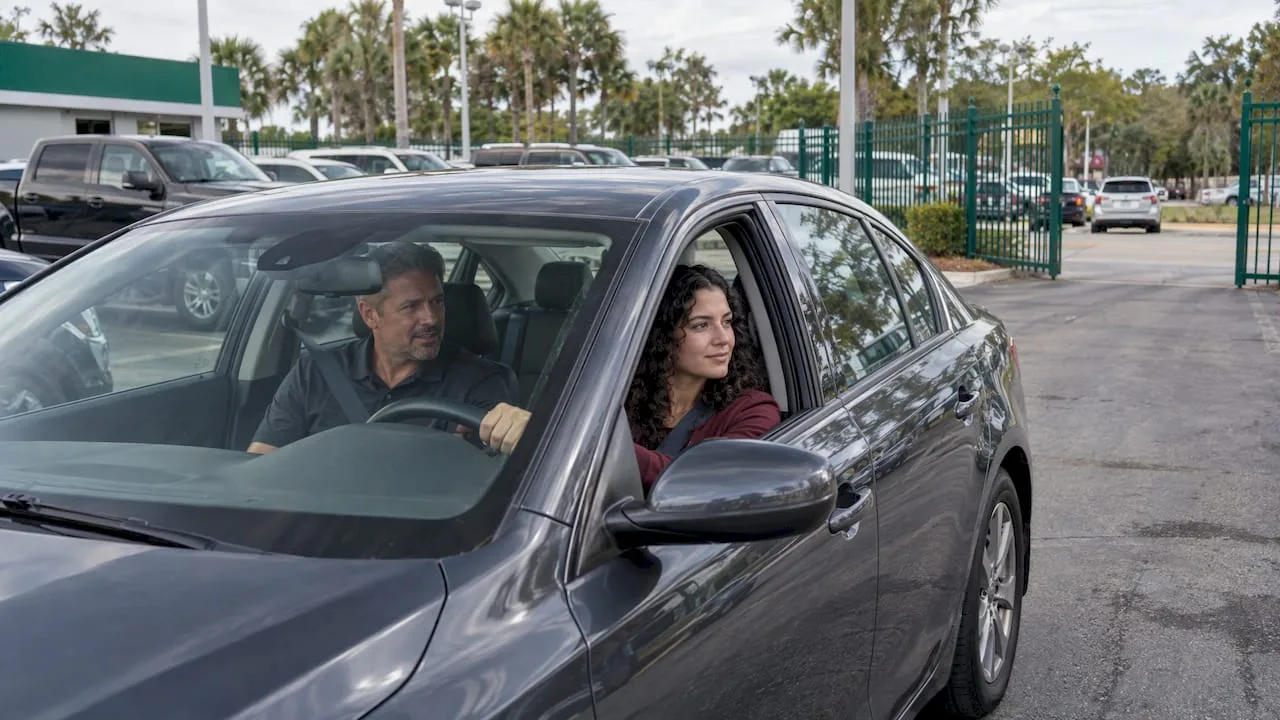
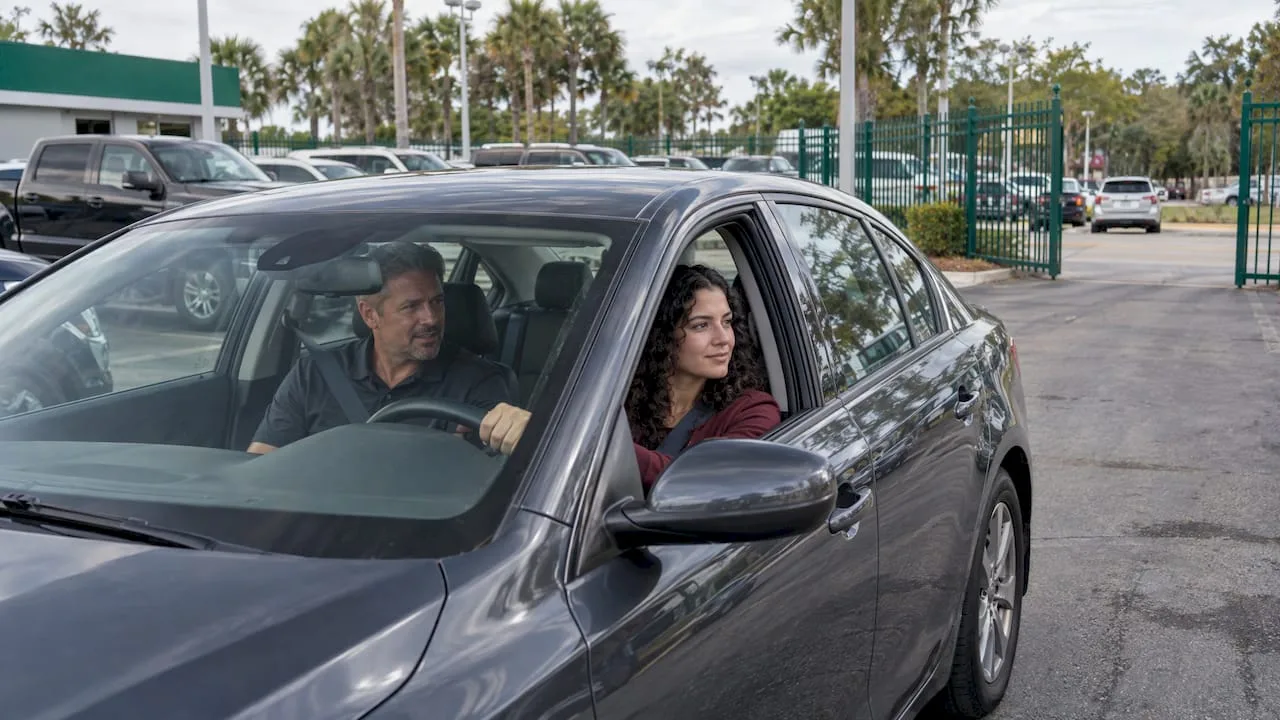
For a normal test drive at a dealership, you usually don't need your own insurance. Progressive says the dealer's coverage typically applies to prospective buyers, though some dealers ask to see proof of insurance, especially for a longer drive. Private sales, extended drives and the moment you buy the car are where people get caught out. This guide walks through each one so you know what to ask before you turn the key.
TL;DR
- A short dealership test drive is usually covered by the dealer's insurance, so most buyers don't need to buy a special policy.
- Bring a valid driver's license. Expect the dealer to ask for it, and possibly for proof of insurance, a waiver, or a salesperson riding along.
- With a private seller, confirm the seller's policy is active and that you have permission to drive, ideally in writing.
- Extended or overnight drives often come with stricter paperwork. Read it before you sign.
- Once you buy, you need your own coverage before you drive the car home. Your existing policy's grace period may not satisfy a lender.
Table of Contents
- Do you need insurance to test drive a car?
- Who pays if there is an accident on a test drive?
- What to do before a dealership test drive
- Test driving a car from a private seller
- Extended and overnight test drives
- Do you need temporary insurance for a test drive?
- When you buy the car, your coverage has to start
- A quick worked example
- Our perspective
- Looking for a car to test drive?
- FAQ
- Sources
Do you need insurance to test drive a car?
Usually not, for a short dealership drive. AAA's April 2026 guidance says dealerships typically carry fleet insurance that extends to prospective buyers, so you generally don't need your own policy for a short drive. Allstate adds that dealers are required by law to insure their cars, and that this insurance typically covers an accident on a test drive.
That is the general rule. Here is what it looks like in practice:
- You need a valid license. Dealers want to see it before you drive, and a copy is often kept on file.
- You may be asked for proof of insurance. Having a policy isn't always required, but some dealers ask, especially if you plan to take the car for longer.
- A salesperson may ride with you. That is normal and is often part of the dealer's own coverage terms.
- You may sign a short waiver. Read it. Don't skim it.
If you don't own a car yet and have no policy, you can still test drive. The dealer's coverage is the main protection in that case. What you can't do is drive the car you buy off the lot without insurance. More on that below.
Who pays if there is an accident on a test drive?
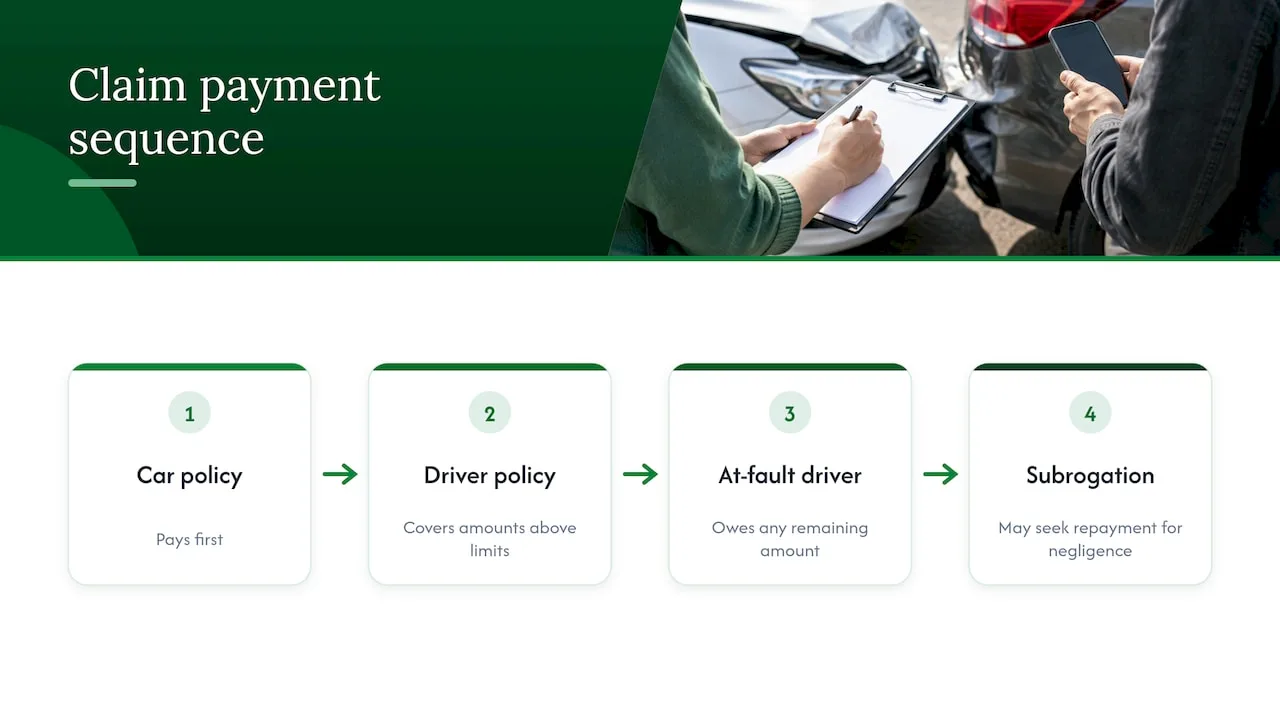
The first claim normally goes to the policy that belongs to the car. At a dealership, that is the dealer's policy. AAA explains that the primary policyholder, the dealer or the private seller, typically processes the claim first. If the damage goes above that policy's limits, your own policy may respond as secondary coverage. If both are exceeded, the at-fault driver is financially responsible for the rest.
That last part matters. Dealer coverage doesn't always end your responsibility. American Family cautions that after reckless driving, a dealer or its insurer may seek reimbursement from the driver or the driver's insurer, a process called subrogation. In plain terms, the insurer may pay first and then go after a driver who caused the crash through negligence.
If you want to see how a claim moves from the accident to the repair shop, this walkthrough of the accident repair process explains the steps a car owner goes through.
Your own policy can still help
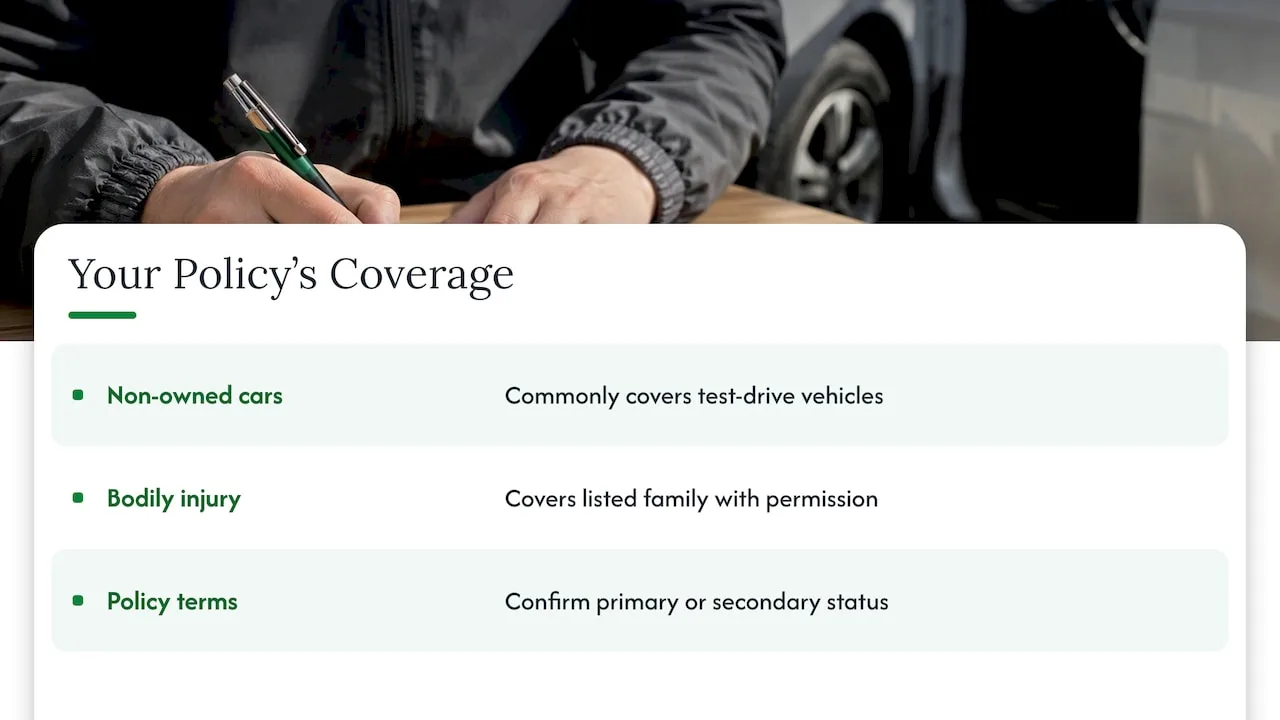
Most people don't think about this: your auto policy may follow you into a car you don't own. Allstate says insurers commonly cover use of non-owned vehicles, including test-drive vehicles. The NAIC consumer auto guide also says bodily injury liability covers you and family members listed on the policy when you drive someone else's car with permission.
Policies differ, so the exact terms live in your policy documents. If you want certainty, call your agent and ask one question: "If I crash a car I'm test driving, does my policy cover it, and is it primary or secondary?"
Who is liable if you crash
Short version: the policy on the car pays first, your policy may back it up, and a driver who was careless can still end up owing money. Driving the way you would with your own family in the car keeps all of this theoretical.
What to do before a dealership test drive
You don't need to prepare much. A few small steps make the drive smoother:
- Bring your license. Make sure it is valid and not expired.
- Bring your insurance card if you have a policy. Even if the dealer doesn't need it, it speeds things up if they ask.
- Ask who rides with you. If a salesperson comes along, plan your route together.
- Read anything you sign. A waiver is usually short.
- Plan what you will check. Our test drive checklist for used cars covers what to listen for, feel for and test, so the drive answers your questions rather than just burning time.
A test drive that includes city streets, a bumpy road and a highway on-ramp tells you far more than a loop around the block.
Test driving a car from a private seller
Private sales are different, because there is no dealership fleet policy behind the car. The seller's own policy is the one that matters, and it may not be what you assume.
AAA warns that a private seller's policy may have lapsed or may carry only minimum limits. Losses above those limits can become the at-fault driver's responsibility, with your own policy possibly providing secondary protection. AAA also says a private-sale driver generally doesn't need personal insurance if the seller has an active policy that includes permissive use and has authorized the drive.
Before you drive a private-party car:
- Ask to see the seller's current insurance card. Check the dates.
- Confirm you have permission to drive. Say it out loud and get it in writing.
- Get a short signed note. Progressive recommends a signed statement confirming permission, that the vehicle is insured, and that you are not responsible for the deductible.
- Call your own insurer. Ask whether your policy covers non-owned cars and at what limits.
- Keep the drive short and the seller in the passenger seat.
Progressive also notes that permission alone doesn't guarantee every loss will be paid, so confirming active coverage matters as much as the handshake.
Extended and overnight test drives
Some buyers want more than 20 minutes. They want to drive the car to work, park it at home, or see how the family fits. That is a smart way to shop, and it comes with a different set of terms.
AAA says extended or overnight dealership drives commonly trigger stricter requirements, including proof of your personal insurance. The dealer's coverage may still apply, with your policy as a supplement. American Family adds that some dealers use a loaner or demo agreement for extended or unaccompanied drives. Signing one may shift liability for damage during the drive onto you, so check your personal policy first.
Before an extended drive, ask these questions and get the answers in writing:
- Do you require proof of my insurance?
- Is your coverage primary, or is mine?
- Do I owe a deductible if something happens?
- Are there mileage or time limits?
- Who else is allowed to drive the car?
If you are planning one, our guide to requesting an overnight test drive covers how to ask for it and what to expect.
What about letting someone else drive?
Stick to one driver on a test drive. Coverage, waivers and permission are tied to the person who showed a license. If a spouse or friend also wants to drive, ask the dealer first and have them bring a license too.
Do you need temporary insurance for a test drive?
For a standard dealership drive in the U.S., generally no. Several of the top search results for this topic describe short-term policies sold for test drives, but those products are largely a feature of other markets. Most American drivers are covered by the dealer's policy, the seller's policy, or their own non-owned-car coverage.
If a dealer insists on proof of insurance for a longer drive and you don't have a policy, ask what they will accept before buying anything. Often the answer is simpler than a new policy.
When you buy the car, your coverage has to start
Test drive coverage ends when the deal ends. Once the car is yours, the dealer's insurance no longer covers it.
Policygenius says you must have auto insurance before driving the purchased vehicle off the lot. Country Financial says the same thing: newly purchased vehicles generally can't be driven on public roads without required insurance, even though dealership cars are typically covered for a pre-purchase test drive.
If you already have a policy
Your insurer may give you a grace period. Liberty Mutual says it may run from one week to 30 days. Add the new car before it ends. Call your agent from the dealership if you can. It takes a few minutes.
If this is your first policy
Experian's guidance says an existing policy may offer seven to 30 days, while a first-time buyer must get coverage to drive. Get quotes before buying day, so you aren't comparing prices with the keys in your hand. If you're buying a first car for a young driver, see our page on buying a first car for a teenager in Clearwater and Largo.
If you are financing
A grace period doesn't always satisfy a lender. Liberty Mutual says a financed vehicle will likely need comprehensive and collision coverage, often with lender-specified deductibles. Confirm what your lender requires before you leave. If you are weighing your loan numbers, our post on gap insurance and your loan numbers explains what to run before the finance desk. Our car payment calculator helps you see a monthly figure first.
It also helps to know what to carry on buying day. Our list of documents to bring to a dealership covers it, including proof of insurance.
A quick worked example
Say you test drive a used sedan on a Saturday and love it. You decide to buy Monday. Here is how coverage changes:
- Saturday, test drive: The dealer's coverage is the main protection. You bring your license.
- Sunday, you call your insurer: You ask about adding the car and about grace periods.
- Monday, signing: You confirm coverage is active, and that it meets your lender's terms if you finance.
- Monday, drive home: The car is insured in your name.
The gap that trips people up is between steps 3 and 4. Handle insurance before you sign, not after.
Our perspective
We hear the same worry from first-time buyers: "What if I scratch it?" Our answer is that a test drive shouldn't feel like a risk. It should feel like a normal part of choosing a car.
We think the best protection is clarity. Ask what applies to your drive, get the answer plainly, and read whatever you sign. We handle every inquiry with a real person, not a call center, so you can ask insurance questions before you come in and not at the counter.
We also think test drives work better when the car has already been checked. Every car we list is hand-inspected and comes with a history report before it is listed, with the price on the listing and no hidden fees. That means your drive is about whether the car fits your life, not about finding surprises.
If you want a car that suits your needs without driving a dozen that don't, tell us what you are looking for and we will find it. That saves you test drives and the paperwork that comes with them.
CL Auto
Looking for a car to test drive?
If you're in Clearwater, Largo or Dunedin and want a used car you can actually trust, start with our hand-picked used cars. Each one is hand-inspected, has a history report, and shows its price on the listing.
Can't find what you want? Our vehicle sourcing service finds a specific car on request, so you only see vehicles that meet your list. If you need a loan, take a look at our financing options, and if you're replacing your current car, we also buy cars from individuals.
FAQ
Will insurance cover a test drive?
Usually yes. At a dealership, the dealer's insurance typically covers prospective buyers on a normal drive. American Family describes it as the primary coverage for a test-drive accident, even if you have no personal policy. The dealer may still ask for a license, proof of insurance or a waiver.
Who is liable if you crash on a test drive?
The policy on the car usually pays first. If damage exceeds its limits, your own policy may respond, and any remaining amount falls on the at-fault driver. A dealer's insurer may also seek reimbursement from a driver who was reckless, according to American Family.
Is my girlfriend covered if she drives my car?
It depends on your policy and whether you gave permission. The NAIC guide says liability coverage applies to you and listed family members driving a car with permission, but it describes your own policy's terms. For someone else driving your car, ask your insurer directly whether permissive drivers are covered and at what limits. The same question matters when a buyer drives your car for a private-sale test drive.
Do I need to buy insurance before I test drive?
Not for a short dealership test drive. For an extended drive, ask whether the dealer requires proof of your insurance. For a private sale, confirm the seller's active coverage and your permission instead of buying a new policy.
Sources
Progressive: Do You Need Insurance to Test Drive a Car?
AAA: Do You Need Auto Insurance to Test Drive a Car?
Allstate: Getting Insurance for Buying a Car on the Weekend
American Family: Do you need insurance to test drive a car?
NAIC: Consumer auto insurance guide
Policygenius: Do You Need Insurance to Test-Drive a Car?
Country Financial: Can I Drive a Newly Purchased Car Without Insurance?
Liberty Mutual: 5 Steps for insuring your new car
Experian: How Long Do I Have to Insure a New Car?
Express Lube Arlington: How the Accident Repair Process Works